
Red, irritated eyes can quickly disrupt your family’s day, whether it’s your child rubbing their eyes after playing outside or your feeling discomfort at your desk. It’s common to wonder if you’re dealing with seasonal allergies or a bout of dry eye. Getting a comprehensive eye exam is the best way to obtain a definitive diagnosis, but both conditions can cause similar-looking redness, which makes it difficult to determine the best course of relief. As a practice deeply committed to our Walnut Creek community, we want to help you understand the difference.
The answer often comes down to one key difference: allergies typically cause intense itching, while dry eye creates a more burning or gritty feeling. Understanding the unique signs of each condition can help you and your family get the right care. This way, you can get back to your daily lives with comfortable, happy eyes.
Why It’s So Easy to Confuse Allergies & Dry Eye
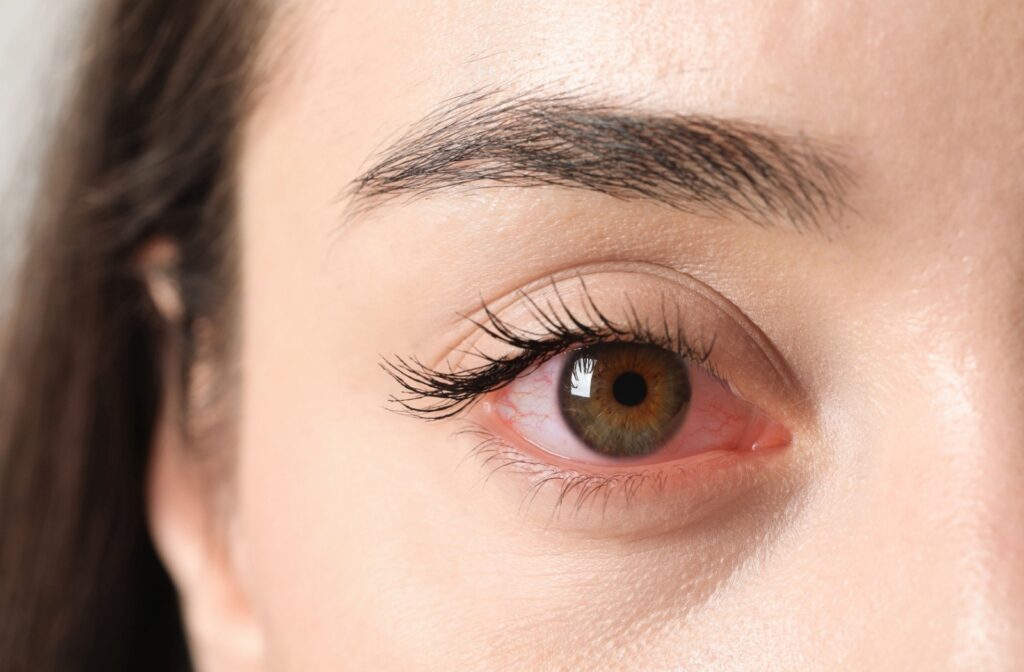
Both allergies and dry eye syndrome can make your eyes look pink or red and feel uncomfortable. Because they share similar symptoms, many people mistake one for the other, leading to inappropriate treatment that can worsen the irritation. In some cases, redness can also indicate other issues, so it’s important to be aware of conditions misdiagnosed as pink eye.
The two conditions have different root causes. Eye allergies, also known as allergic conjunctivitis, are your body’s overactive response to a harmless substance like pollen. Dry eye, on the other hand, is a condition where your tear film lacks sufficient lubrication.
What Do Allergy Eyes Feel Like?
When your body encounters an allergen—such as pollen, pet dander, or dust—it can trigger an immune response in your eyes. The reaction is what causes the symptoms we associate with eye allergies. The most telling sign that you’re dealing with allergies is a persistent—sometimes overwhelming—need to itch your eyes.
Common Signs of Eye Allergies
Beyond the primary itch, you might notice other specific symptoms. These signs often appear together, especially during high-pollen seasons or after exposure to known triggers. It’s especially important to find safe eye drops for kids if your child is experiencing these symptoms.
- Intense itching or a feeling the need to rub your eyes
- Redness or pinkness across the white of the eye
- Eyelids that appear puffy or swollen
- Watery, thin, and clear discharge
- A gritty feeling, like sand is in your eye
These eye-related issues frequently show up with other classic allergy symptoms. You may also experience a runny or stuffy nose and sneeze frequently.
Spot the Symptoms of Dry Eye
Dry eye occurs when your eyes don’t produce enough tears, or when the tears you produce aren’t of the right quality. Without a healthy tear film, the surface of your eye becomes irritated and inflamed. Dry eye is a common eye condition that differs from an allergic reaction.
Instead of a distracting itch, dry eye is more often described as a constant stinging or burning sensation. Your eyes may feel tired, heavy, or uncomfortable. This discomfort can worsen throughout the day, especially after extended screen time or in windy conditions. Fortunately, there are many effective options for dry eye treatment.
Typical Signs of Dry Eye
The experience of dry eye can vary from person to person. However, there are several common indicators that your tears aren’t functioning properly.
- A stinging, burning, or scratchy feeling
- A sandy, gritty feeling
- Increased sensitivity to light
- The sensation of having something in your eyes
- Difficulty with nighttime driving due to glare
- Watery eyes, which is the body’s response to the irritation
How to Tell the Difference Between Allergies & Dry Eye

Pinpointing the cause of your red eyes starts with paying attention to the main symptoms and when they happen. Eye allergies usually flare up seasonally or in response to specific triggers and are defined by that unmistakable itch. The discomfort tends to come and go depending on your exposure to the allergen.
In contrast, dry eye syndrome often produces a more constant sense of irritation. The burning or gritty feeling may persist all day and can worsen with activities that strain your eyes. You may even notice your eyes are particularly dry in the morning. Persistent discomfort is a strong indication that you’re dealing with a lubrication issue rather than an allergic reaction.
Can Allergies Cause Red & Dry Eyes?
Yes, the two conditions can be related. The inflammation from a severe allergic reaction can sometimes disrupt your eye’s ability to produce healthy tears, leading to symptoms of dryness on top of your allergy-related itchiness.
Additionally, some oral allergy medications can cause dryness. Antihistamines are known to reduce tear production in some people, but they can also trigger or exacerbate dry eye symptoms.
Find Relief for Your Family’s Eyes
Once you have a better idea of what’s causing the redness, you can take steps to manage it. The right approach depends entirely on the underlying issue, and a proper professional eye exam is the best way to confirm the cause. What works for allergies often won’t help with dry eyes—and vice versa. That is why a clear plan for eye disease diagnosis and management is so important.
Tips for Eye Allergies
For allergies, the goal is to reduce your exposure to triggers and calm your body’s response. Try to keep windows closed during high-pollen days and use an air purifier at home. Over-the-counter allergy eye drops containing antihistamines can also provide effective, targeted relief from itching.
Will Allergy Eye Drops Help Dry Eyes?
Generally, no. Allergy eye drops are designed to block the histamine response that causes itching. They don’t contain the ingredients needed to moisturize and lubricate your eyes, so they won’t relieve dry eye symptoms and could even cause further irritation.
For dry eyes, lubricating eye drops, also known as artificial tears, can help. These products are specifically formulated to supplement your natural tear film. They help soothe the burning and gritty sensations associated with dryness.
How We Can Help
At Insight Vision Care Optometry, we believe that healthy vision is the foundation of a happy life. When persistent redness or discomfort affects you or your family, we’re here to listen and help you find a clear path forward. Contact us to schedule a visit, and our team will find solutions so that your family can experience happy, healthy eyes again.