
You notice a tender, red bump on your eyelid, and you know what it is—another stye. Recurring styes are often caused by a combination of factors, including specific eyelid hygiene habits, stress, and sometimes underlying health conditions. Understanding these triggers, which our team can assess during a comprehensive eye exam, is the first step toward breaking the cycle.
Let’s explore why styes occur and what can be done to treat them.
What Exactly Is a Stye?
What a Stye Looks & Feels Like
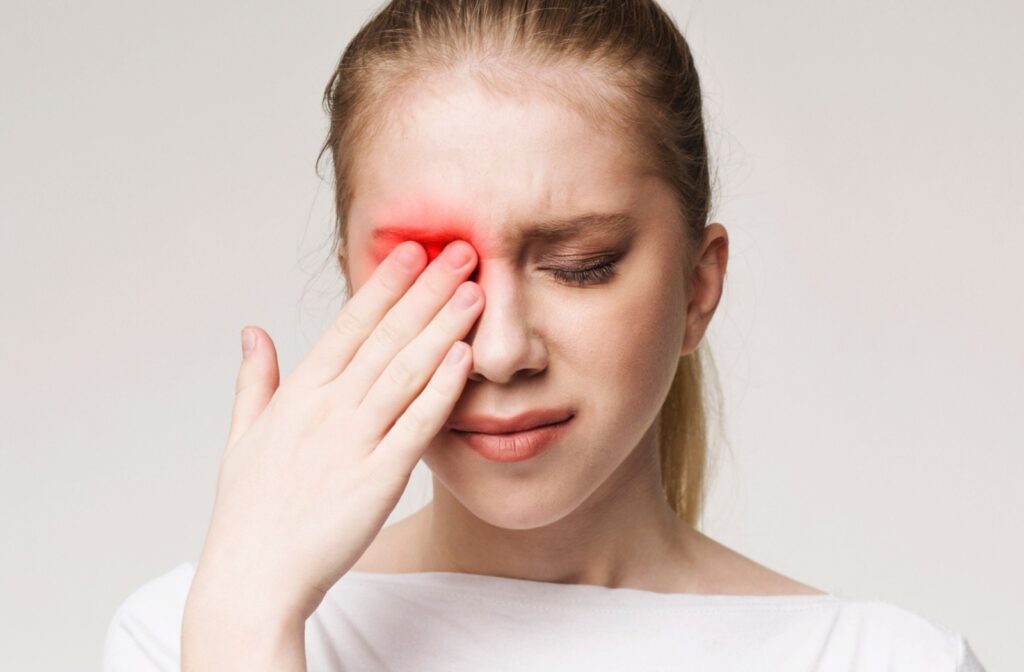
A stye is a small, painful lump that forms on the edge of your eyelid. It often looks like a pimple, and it develops when an oil gland near your eyelashes gets blocked and infected. Styes can appear on the outside or inside of your eyelid, causing discomfort and irritation that can sometimes be mistaken for other conditions, such as conjunctivitis (pink eye).
Common Signs of a Stye
You may have a stye if you experience any of these common symptoms:
- A red bump on your eyelid
- Eyelid pain & swelling
- Tenderness to the touch
- Crustiness along the eyelid
- A feeling that something is in your eye
- Watery eyes or discharge
Common Reasons for Frequent Styes
Poor Eyelid Hygiene
Habits like frequently touching your eyes or sleeping with makeup on can clog your oil glands, making styes more likely. Using old cosmetics is another common way to introduce bacteria to the delicate eye area.
Contact Lens Habits
Because contacts sit directly on your eye, practicing proper lens care is essential for your eye health. Not cleaning your lenses correctly or handling them with unwashed hands can also introduce bacteria. It’s also important to avoid wearing contacts longer than recommended or while you sleep.
Stress & Hormonal Changes
Stress can affect your immune system, making your body more susceptible to infections—including your eyelids. Hormonal shifts, such as those during pregnancy or menstruation, can also change the oil production in your skin. This may increase the chances of clogged oil glands causing styes to form.
Are Styes a Sign of Something Else?
Do Styes Mean You Are Run Down?
Yes, feeling run down can contribute to getting styes more often. When your body is tired or your immune system is busy fighting something else, it may not fend off bacteria as effectively. This can lead to more frequent infections around your eyes.
Underlying Health Conditions
Sometimes, recurring styes can be linked to other health conditions. For example, blepharitis—a condition that causes chronic inflammation of the eyelids—can make you more prone to styes.
How to Handle a Stye at Home
Simple Steps for Relief
You can often manage a stye at home with some simple care:
- Use a warm compress. Apply a clean, warm washcloth to the affected eye for 10 minutes at a time, several times a day. This simple technique helps unclog the blocked gland and promote healing.
- Keep the area clean. Gently wash your eyelids with a mild soap or a tear-free baby shampoo diluted with warm water.
- Wash your hands often. Avoid touching your eyes, but if you must, make sure your hands are clean to prevent spreading bacteria.
What You Should Never Do
It might be tempting, but never try to pop or squeeze a stye. If you do, you may spread the infection to other parts of your eye and make the problem worse. Resisting the urge to squeeze it helps your eye heal faster and more safely.
When to See an Eye Doctor in Walnut Creek
Signs You Need Professional Help
While home care often works, some situations require professional attention. It’s important to seek help if you or your child experience certain symptoms. Contact your eye doctor if you notice any of the following:
- The stye is very painful or affects your vision.
- The swelling is significant or spreads to your cheek.
- You have frequent, recurring styes.
- The bump doesn’t get better after a few days of home care.
What Your Eye Doctor Can Do
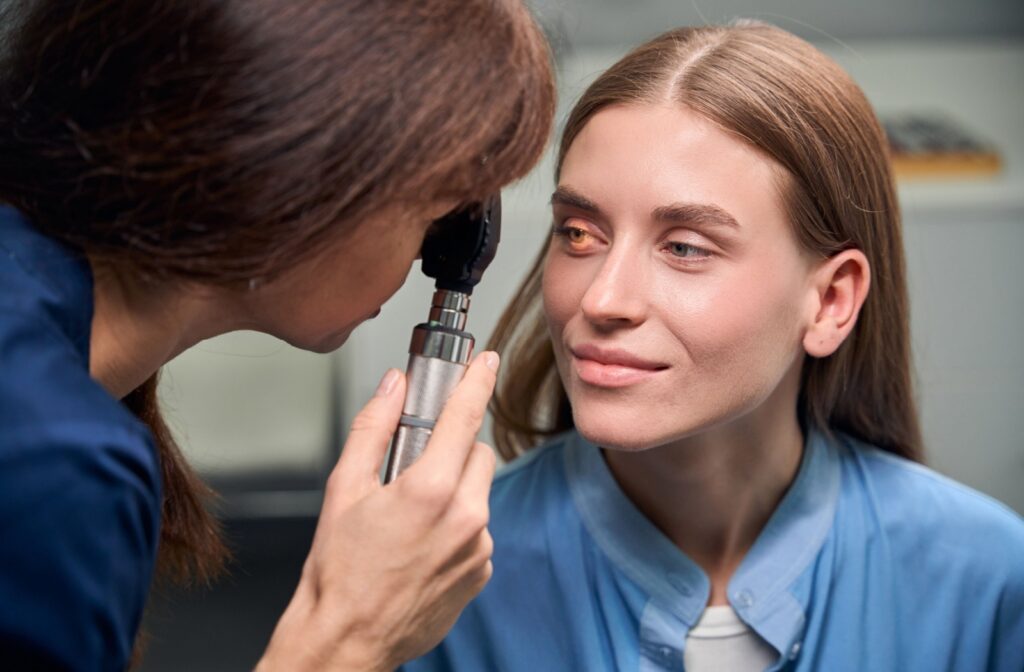
If a stye won’t go away, we can help. As your eye doctor in Walnut Creek, we can examine the area to determine the cause of your stye and recommend a treatment, like antibiotic ointment. For a persistent stye, our doctors might prescribe oral antibiotics if needed.
Find Relief from Irritation
At Insight Vision Care Optometry, we are here to provide the best eye care for you and your family. If you are dealing with recurring styes, or any other eye health concern, do not hesitate to schedule an appointment with our doctors. Let’s work together to find a solution that brings you relief and peace of mind.