
Key Takeaways
- Myopia makes faraway objects look blurry and often shows up between the ages of 7 and 12.
- Daily outdoor time in bright daylight may help reduce risk.
- Smart screen habits, like the 20-20-20 rule, give young eyes a break from close-up work.
- Specialty contacts, specialty glasses, and low-dose atropine drops can help manage progression.
- Yearly eye exams catch changes early and keep your child’s prescription on track.
What Myopia Means for Your Child
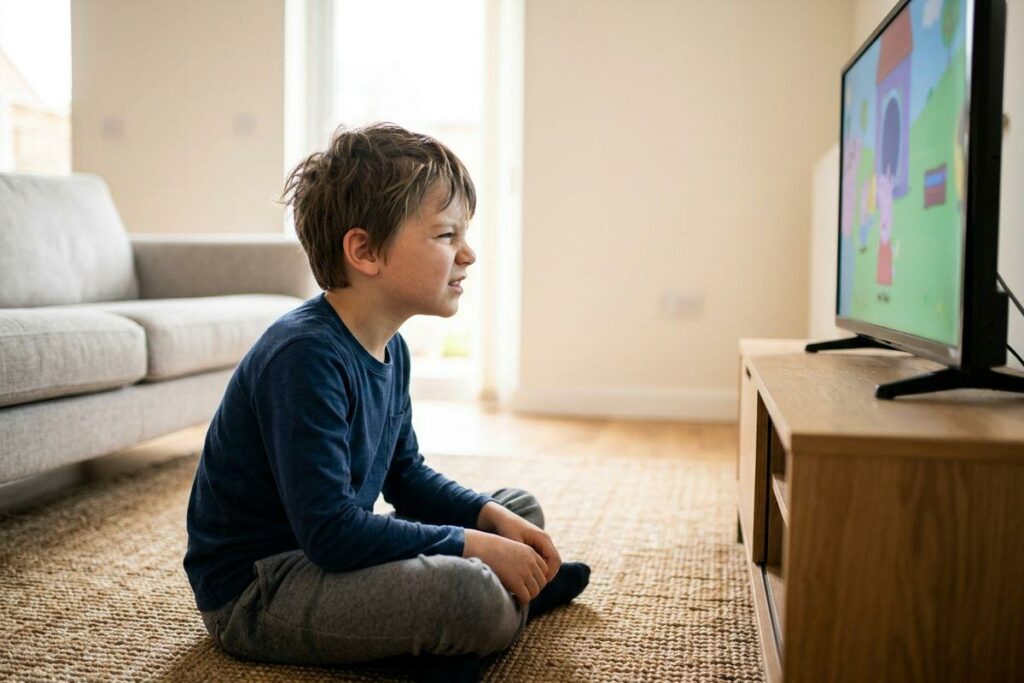
You might notice your child squinting at the TV, sitting close to the screen, or struggling to read the whiteboard at school. These are all signs of myopia, a condition that you might also know as nearsightedness. Myopia causes blurry distance vision, while near vision remains clear.
Some studies claim that you can help slow myopia in your child with daily outdoor time, smart screen habits, myopia management options, and regular eye exams. Our team at Insight Vision Care Optometry can recommend a path forward in order to protect your child’s vision.
What is Myopia?
Myopia happens when the axial length of the eye grows a little too long. This elongated shape changes how the eyes focus light, which leaves distant objects looking fuzzy. It often shows up between the ages of 7 to 12, when children’s eyes are growing and developing and students spend more time reading and looking at screens.
Tip 1: Spending Time Outside
Studies have shown that outdoor time protects against myopia. Encourage your child to spend time outdoors, whether that means a trip to the park, a bike ride, or a game of tag in the backyard. Two hours per day is a great target goal.
Tip 2: Smart Screen and Near-Work Habits
Screens are part of life now, from homework tablets to weekend cartoons. But you can still set healthy limits. Try to cap daily screen time and keep devices at least 12 inches from your child’s face.

Tip 3: Myopia Management Options
If your child already has myopia and you want to slow its progression down, our team can walk you through management options. Here are a few worth knowing about:
Specialty Contacts and Glasses
MiSight contacts and multifocal lenses are designed to slow the rate at which myopia progresses. Orthokeratology (ortho-k) lenses also have a protective effect, but are worn overnight, allowing your child to see clearly during the day without corrective eyewear.
Low-Dose Atropine Drops
Low-dose atropine is a nightly eye drop that may help slow down axial length growth of the eye. Side effects tend to be mild and uncommon, which makes it a comfortable option for many families. Your eye doctor can explain whether it fits your child’s needs.
Tip 4: Regular Eye Exams in Walnut Creek
Yearly checkups do more than just update your child’s prescription. They also help us catch small changes early, before they affect your child’s reading or schoolwork.
As your eye doctor in Walnut Creek, we can also talk through the options above and help you pick a path that works for your family.
Protect Your Child’s Vision
Caring for your child’s eyes feels easier when you trust their eye doctor. Dr. Stephanie Chan grew up right here in Walnut Creek, and our practice has served our community for more than 40 years. It has been an honor to continue to treat our long time patients as well as meet new patients over the past four decades.
At Insight Vision Care Optometry, our goal is simple: Happy Eyes, Happy Life. If you’ve noticed your child squinting or sitting closer to the screen, schedule an eye exam today and let our team help you build a plan that fits your family.